Through 2026 the applications a production team already runs opened the same door for agent control, and on 3 September OpenAI announced GPT-6 Astra with demonstrations of it operating Blender directly. The change is not that a model produces a finished project; it is that an agent now drives the tools, and the hours it runs are billed by the token.
What the agent does inside the application
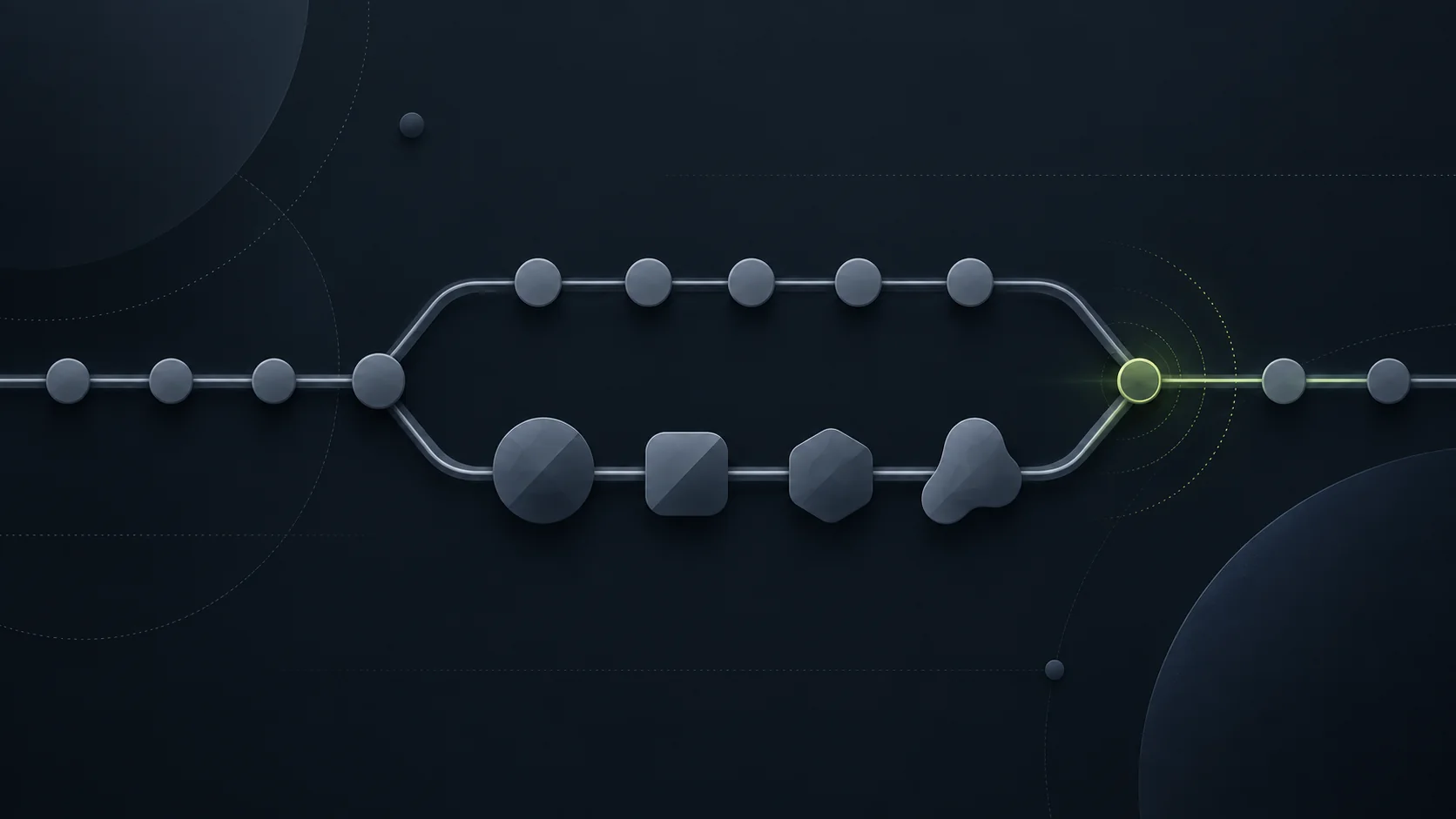
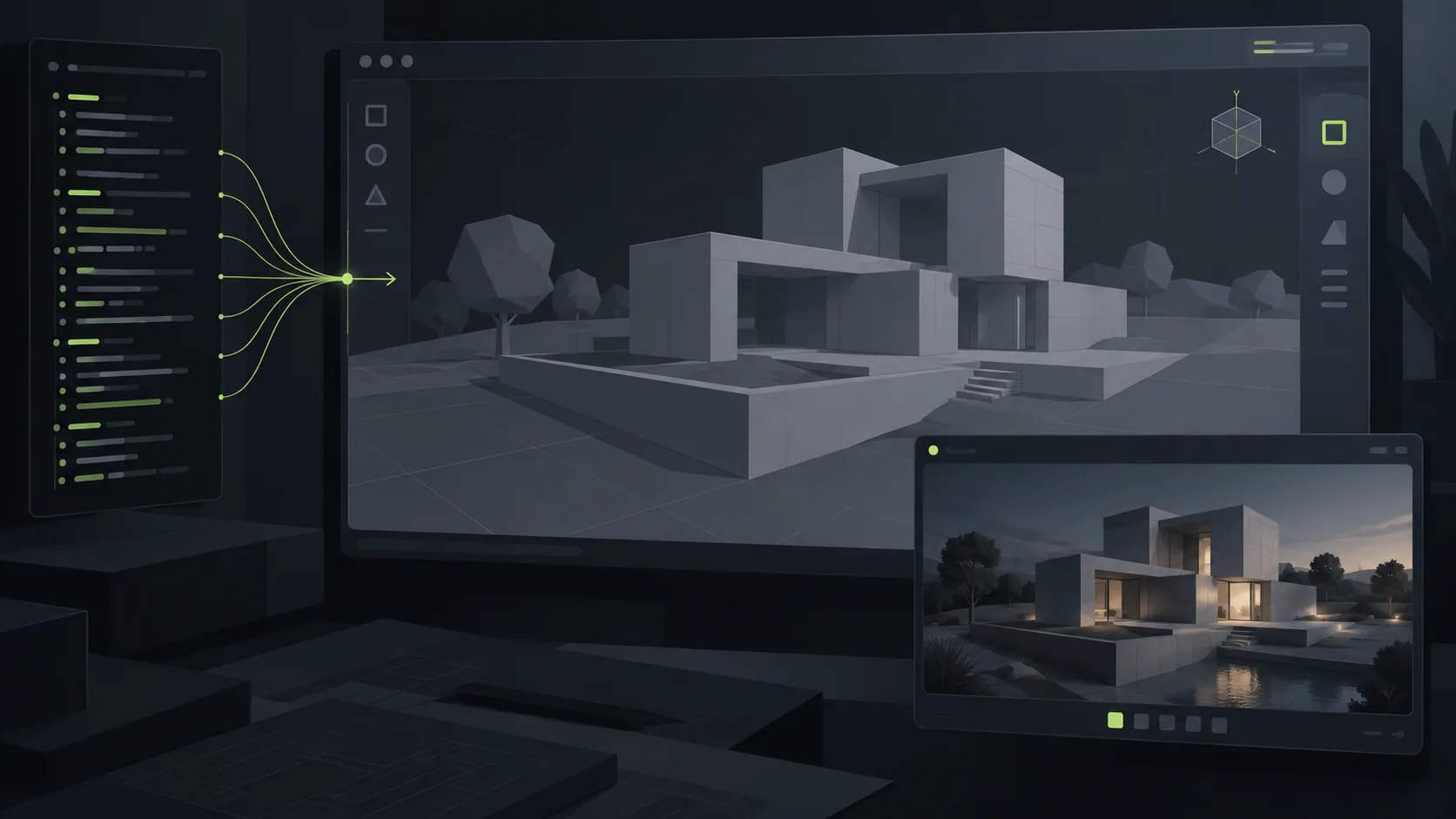
The loop described by people testing it is the same one an artist performs. The agent plans the scene, writes the application's own Python, renders an intermediate frame, looks at what came out, edits its own script where the result diverges from the brief, and goes again. What it leaves behind is a native editable scene rather than a finished export, which is the part that matters for anyone who has to keep working on the file afterwards.
OpenAI's announcement page is the first-party description of the model. The Blender behaviour above is as reported by neural4d, and runtimewire covered the launch demonstration in which a house modelled in Blender was carried into a walkable Unreal Engine environment. Both note the same caveat, which is worth repeating: the demonstrations were curated, and no standardised benchmark or published success rate exists yet.
Every major tool opened the same door this year
This is the part that makes it structural rather than a single vendor's feature. VP Land reported in July that Adobe, Affinity, Blender, Boris FX, Foundry, SideFX and Epic each exposed the same open protocol for agent control, with NVIDIA lining the industry up behind it at SIGGRAPH. An agent configured once moves between applications instead of being locked to one integration.
SideFX showed agent access to Houdini's rigging workflow through its APEX Script tooling at its own Houdini Hive, and Jon Peddie Research covered it as a keynote preview headed for SideFX Labs rather than a finished production feature. That distinction is the honest state of most of this: shipped enough to use, early enough to break.
What it is good at, and what it still gets wrong
The work being handed over is consistent across everything published so far. Repetitive scene setup. Variant generation. Blockouts that a human then takes over. Export preparation, playblasts, colour-management checks and other validation passes. Rigging and material boilerplate. In other words, the jobs where the answer is already known and the typing is the cost.
What it does badly is equally consistent. Organic forms. Silhouette decisions. Knowing when something is finished. The first pass is a rough draft with proportions that are off, and the pass that makes it good is still a person's. Professionals looking at this work have mostly not called it impossible; they have called it a starting point that needs a human afterwards, and several have said out loud that they are worried about where the trend goes. Both of those can be true at once.
What changes for a small studio
Two things, and the second one is the awkward one.
The first is scope. Work that was cut because nobody had four days for it is worth reconsidering: the second level layout nobody got to test, the destruction setup that had to be rebuilt every time art direction moved, the export variants that always slipped. A small team can now attempt a range of work that used to need a specialist for each part.
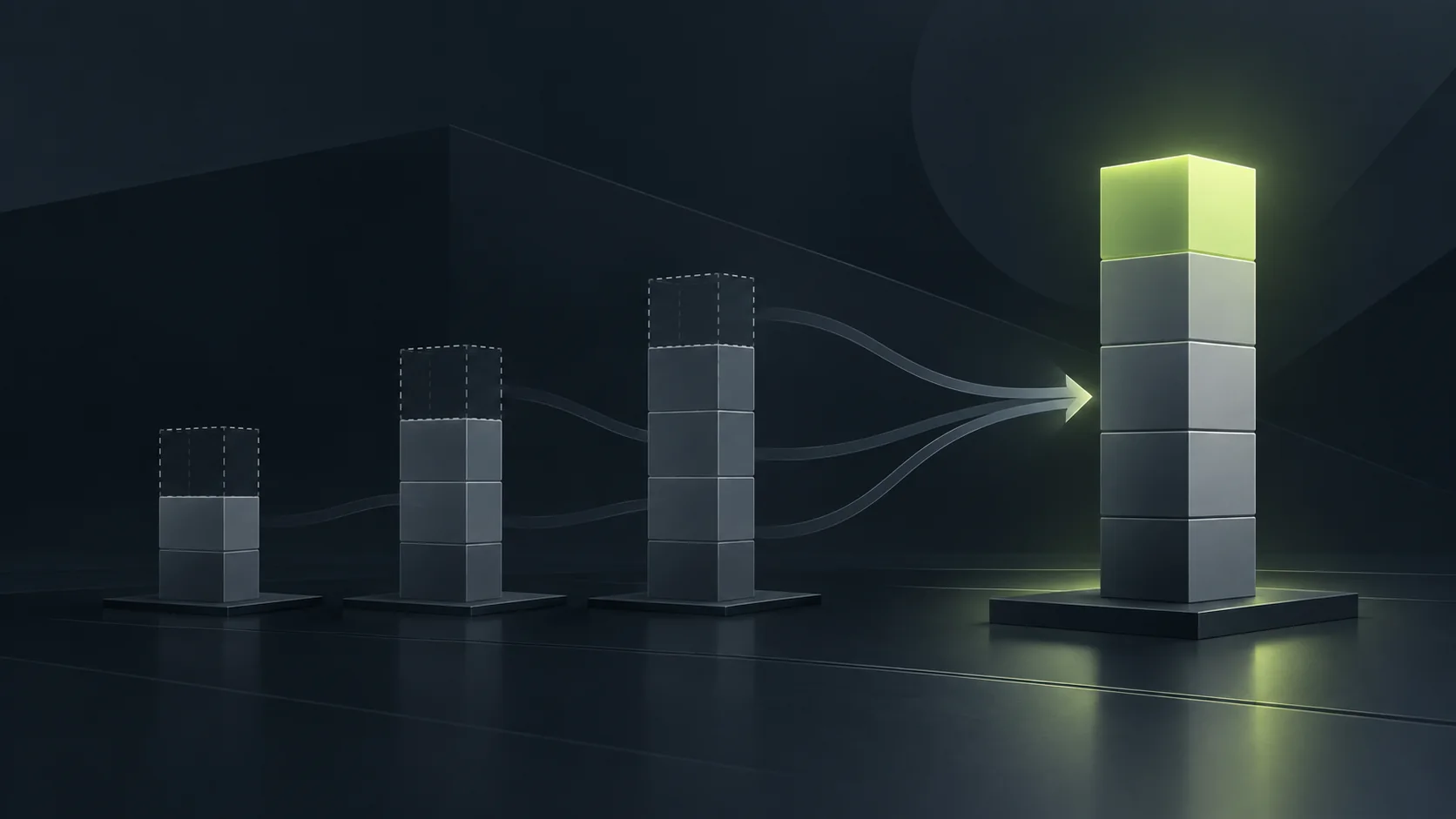
The second is that this is metered. An agent session is billed by the token, and a long session with many self-correcting iterations costs more than a short one, because the iterations are the cost. It is an operating expense that arrives monthly, in a year when independent studios are managing cash gaps in public. The models we serve and what each one costs are listed on the models page; the numbers there are the current ones, and we would rather point at that page than repeat a figure that ages.
Where PowerHub fits
This is the situation PowerHub was built for. Backers pledge to a creator's AI budget, we hold the money and buy the provider access with it, and the creator receives an API key rather than cash. The agent hours get funded by the people who want the work to exist, and the creator keeps building.
What we do not do is make anything. We are an intermediary, the models belong to their providers, and what a creator produces with them is the creator's own work and the creator's own responsibility. Campaigns are listed on the games page.
A pledge is a contribution to a creator's AI budget. It is not an investment, a purchase, a loan or a donation, and it buys no product.