Every campaign on PowerHub is read by a person before it goes live, and a lot of them come back with a note saying what would clear them. This is that note, written down in advance, so nobody has to guess what we are looking for.
The first question is whether a stranger would play it again
We ask it before we look at a single image, and it outranks everything else on this page. A playable build with a mechanic worth trying beats a beautiful trailer with nothing to play, every time.
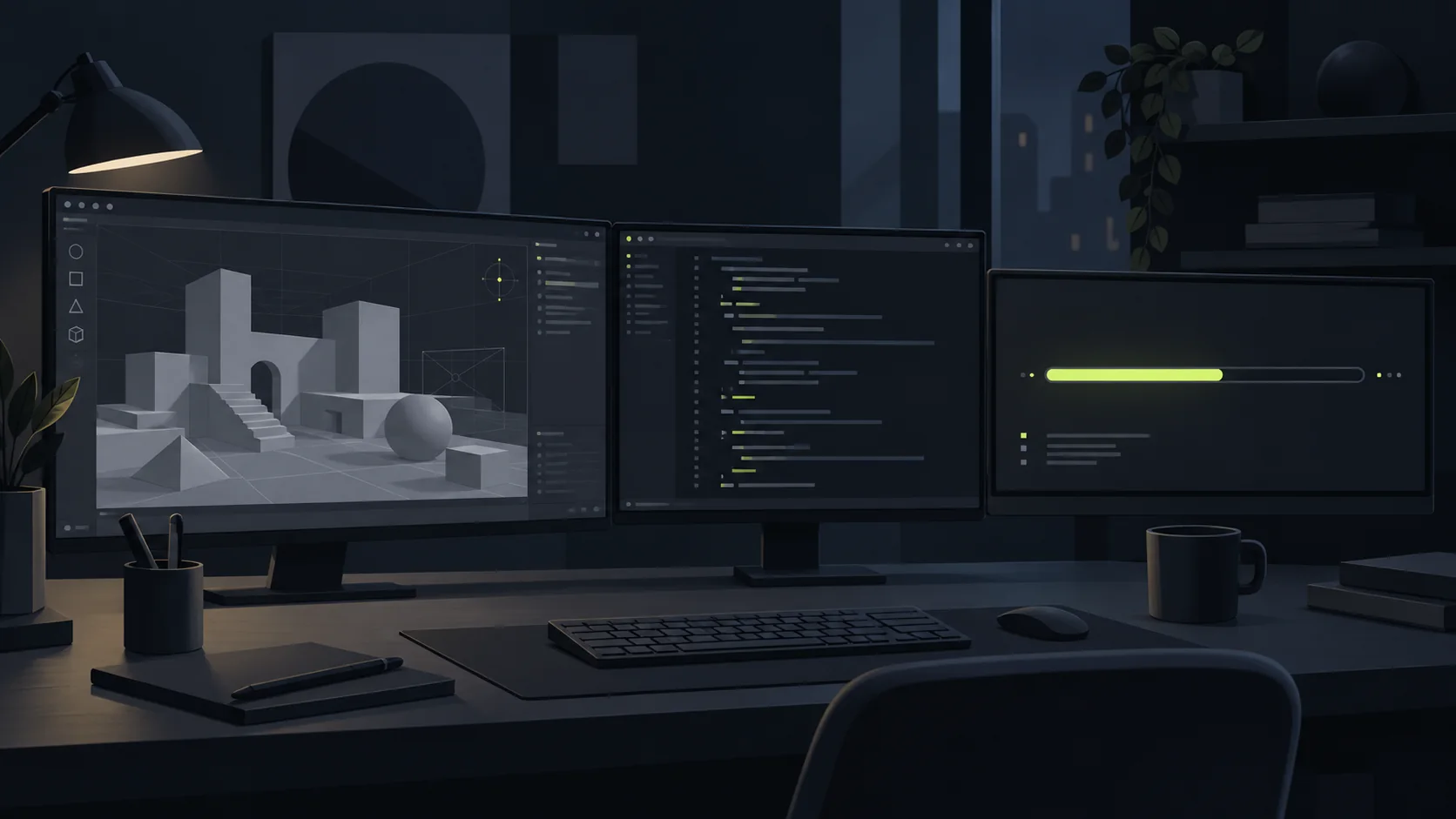
Placeholder art, programmer art, untextured blockouts, a grey box standing in for a character, an unfinished scene: all of it passes, as long as the loop is there and the page says which parts are placeholder. That is not generosity, it is how this medium works. Minecraft was an untextured cave-digging test in public days after it existed. Baba Is You was a weekend game jam entry. Vampire Survivors went into early access with bought assets and almost no presentation. None of those would have passed an art review.
Rough and good gets published. Pretty and empty gets sent back. Curated is not the same as polished, and on PowerHub it never will be.
What we publish
Beyond the first question, six things.
A real creator or studio with work behind them. A portfolio, a released project, a public repository, a reel, a studio site. It does not have to be large. It has to exist.
A concrete milestone. What this round finishes, and roughly when. "The next twelve levels and a build in October" is a milestone; "a game" is not.
AI described as a tool, with named tasks and a cost against each. We want the actual line items, not a single figure for the category.
The creator as the author. You direct the work, you review what comes out, you are responsible for what ships. A campaign written as though the model is the author is not what this platform is for.
Original assets, or assets you are licensed to use. No copied games, no trademarked characters, worlds or music, no recreations of someone else's game under a different title.
An honest scope and schedule. Dates you believe. If one slips later, post an update; backers forgive that. What they do not forgive is a schedule nobody on the team thought was real.
One more thing, which is a consequence rather than a rule: a campaign's spend is public. What was raised, and what has been used. You do not have to explain every figure, but you do have to be comfortable with them being visible.
What we send back
With the reason, and with what would fix it:
No body of work. Nothing anywhere showing the creator has made something before.
No milestone. A goal with no destination.
Nothing to see, and nothing planned. No build, no video, no screenshots, and no commitment to any of them.
Nothing worth playing. The opposite failure, and the one we send back most firmly: beautiful or generated assets wrapped around a loop nobody would return to.
AI as the author. A campaign describing a project the model will make.
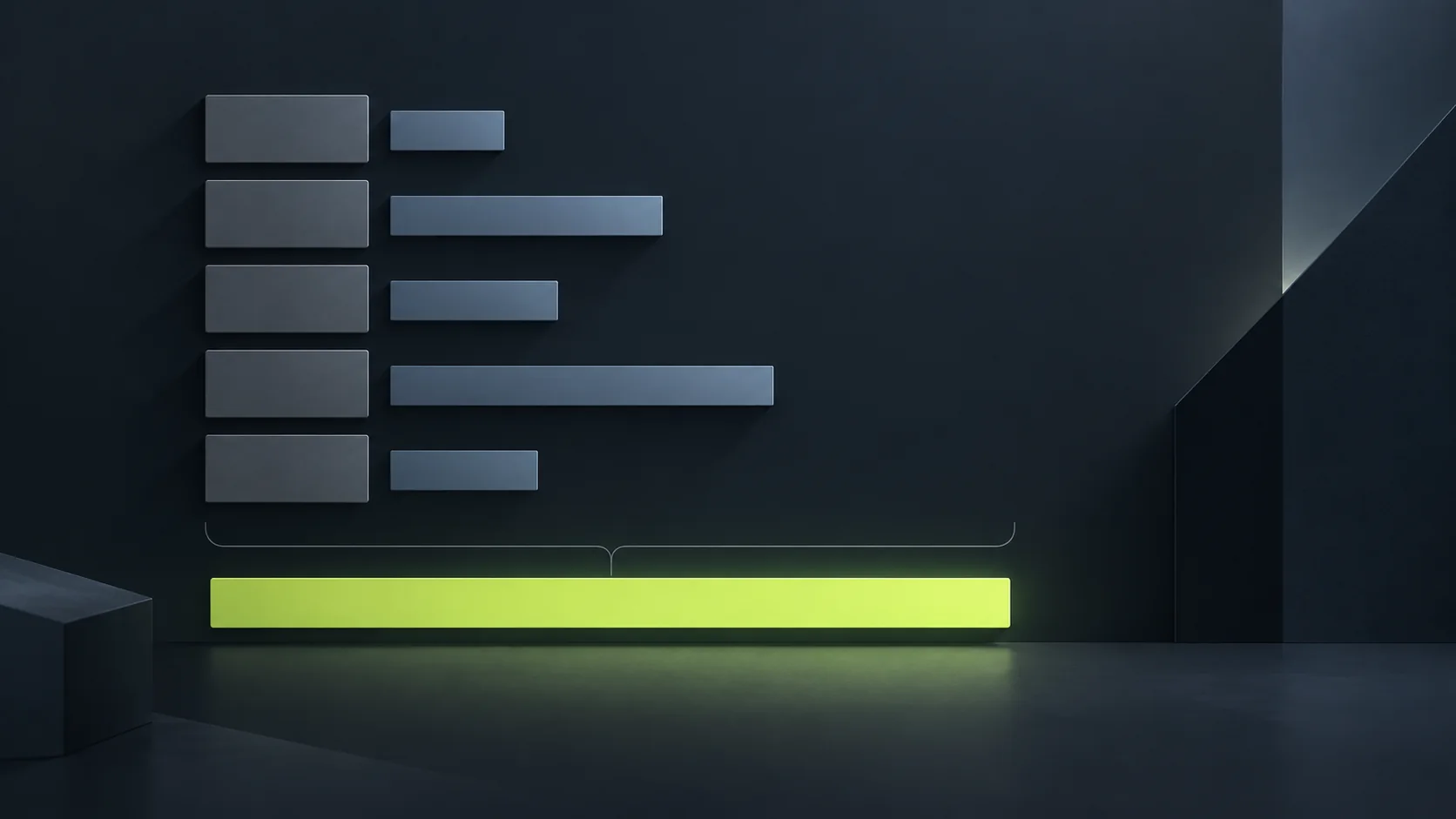
A one-line AI budget. Break it into tasks with a cost each; if they do not add up to the goal, the goal is wrong.
Somebody else's work. A cloned game, a trademarked character, an unlicensed soundtrack, art taken from a portfolio. There is no fix for this one.
A cover that is generated filler nobody directed. Use your own or your artist's art, or a screenshot of the actual game, or direct the image yourself and say on the page that you did.
A scope or schedule that is not credible.
A page that misleads about the team, the stage or the status of the project.
Anything in the acceptable-use section of the terms is a refusal rather than a note.
A campaign that comes back is not rejected
We name the line that failed and the thing that would clear it, and you can resubmit as soon as it is fixed. Most campaigns that come back once go up on the second read, and the most common reasons are all fixable in an afternoon: a missing link to prior work, a budget written as one number, a milestone nobody named.
We will publish the most common reason campaigns get sent back, month by month, because a standard nobody can check is not a standard.
Being published is not an endorsement
It is not a recommendation, a check of anyone's ability, or a statement that the creator will finish. We review campaigns against our own standards and nothing more, which the terms say in as many words. The agreement a backer forms with a creator is between the two of them, and we are not part of it.
What we are is an intermediary: we hold the money, buy the provider access and serve the keys. Published campaigns are on the games page.
A pledge is a contribution to a creator's AI budget. It is not an investment, a purchase, a loan or a donation, and it buys no product. PowerHub is an intermediary and does not operate the AI models.