To fund an AI budget on PowerHub you name the milestone first, break the AI work inside it into tasks with a rough cost against each, pick the round type, write a page a stranger can judge in thirty seconds, and submit it for review. The steps below are in the order you perform them.
Start from the milestone, not from the money
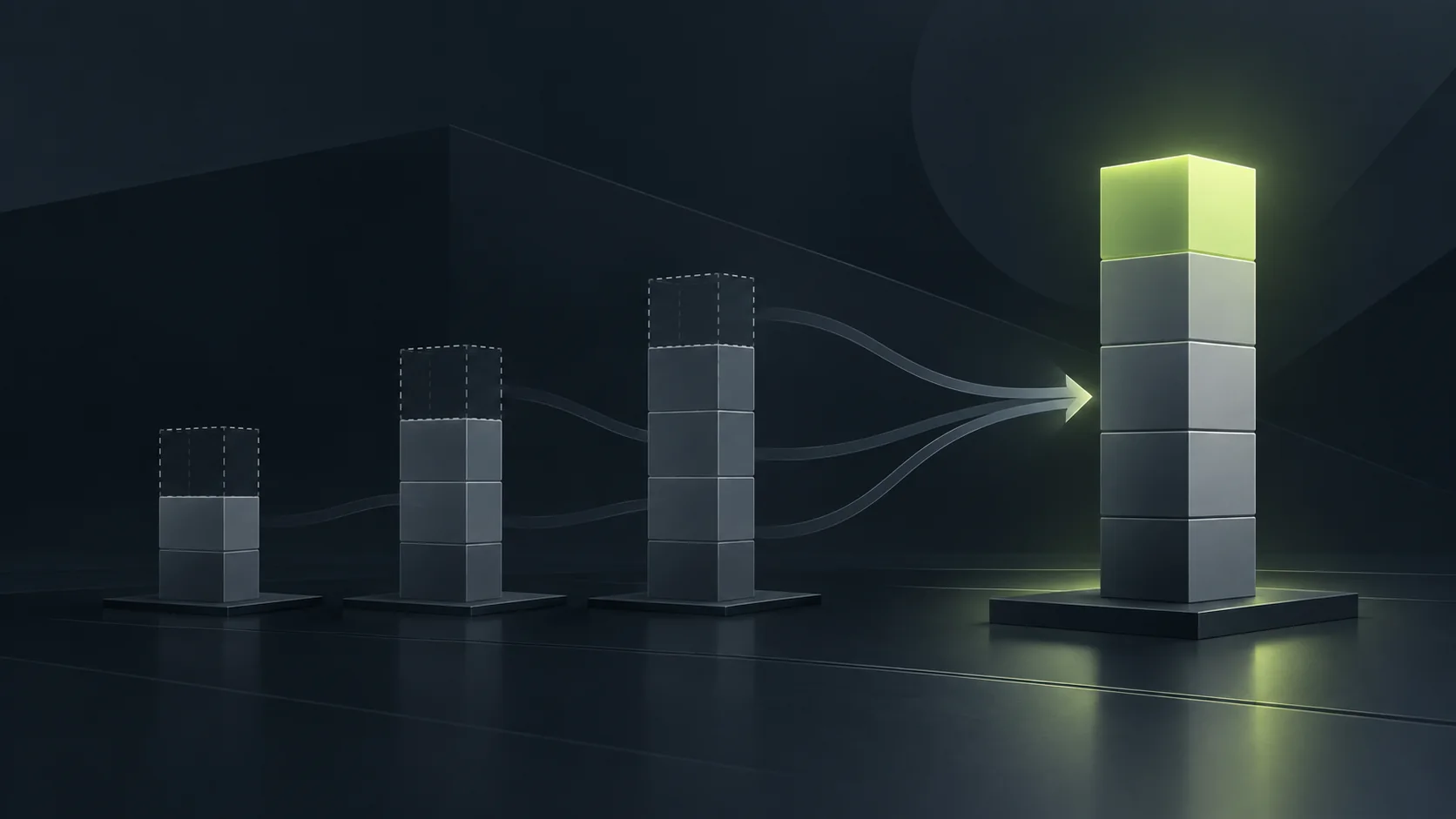
A goal without a destination is the most common reason a campaign comes back to us. Write down what this round finishes, in the words you would use to a colleague: the next twelve levels and a build backers can play, the destruction pass for the second act, the vertical slice.
If the project is mid-production, say what state it is in now as well as what state the round takes it to. Backers on PowerHub are funding a step, not a dream, and the step is the thing they are judging.
Break the AI work into tasks, with a cost against each
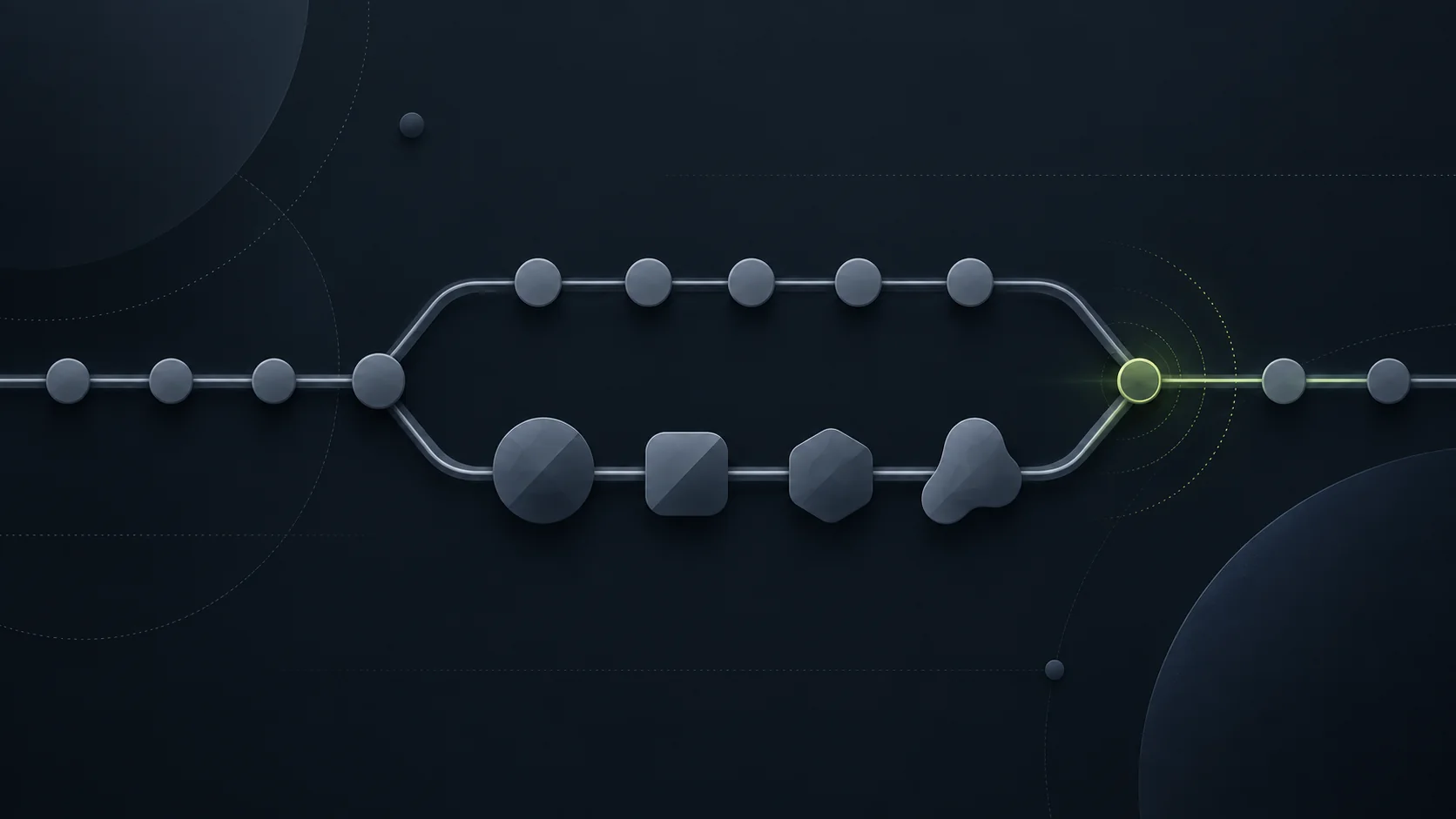
This is the part that does the most work on your page. A single line reading three thousand dollars for AI tells a backer nothing. A list tells them everything:
An agent driving your procedural tool to build the destruction setups.
Level blockouts, directed by your environment artist.
Dialogue passes, reviewed by your writer.
The validation and export passes nobody wants to do by hand.
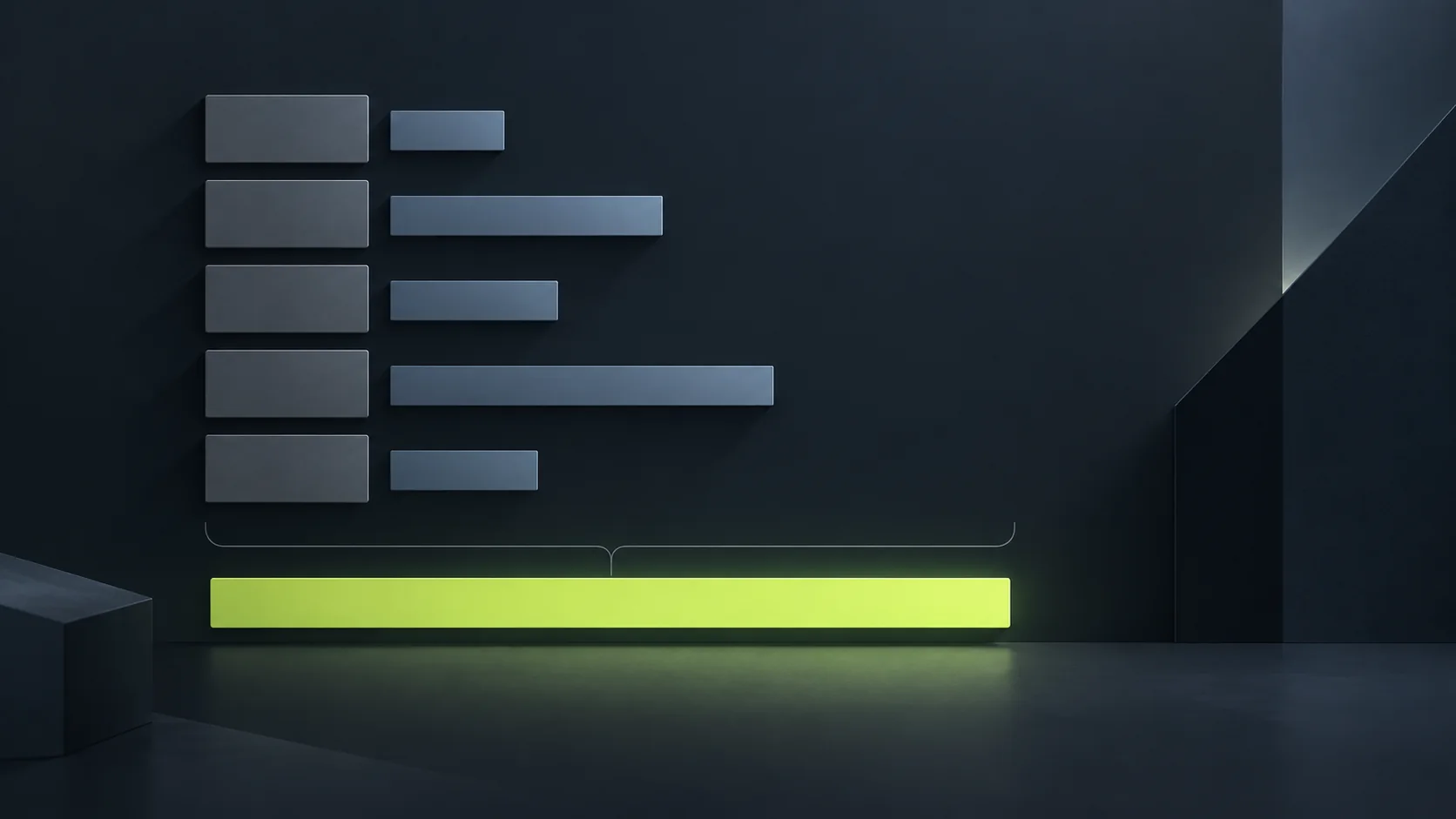
Put a rough figure next to each one and let them add up. If the tasks do not add up to the goal you had in mind, the goal is wrong, not the list.
Getting those figures right is its own job. The short version: estimate how many agent sessions each task takes rather than how many prompts, price a session from the models page, and budget for the passes you throw away, because the discarded attempts are billed exactly like the ones that worked.
Pick the round type before you pick the goal
There are two, and they behave differently.
A fixed round has a goal and a deadline and is all or nothing. If it reaches the goal it funds. If it does not, every pledge goes back to the backer's wallet in full.
An always-open round has neither a goal nor a deadline, and each pledge settles as it arrives. Because there is no round to miss, those pledges are not refundable.
An always-open round is enabled by an operator rather than chosen in the form. The refund policy is the only statement of what is refundable, and it is worth reading before you choose.
Write the page so a stranger can judge it
Assume a reader who has never heard of you, has thirty seconds, and has been disappointed before. Give them, in this order: what you are making, what state it is in, what this round finishes, what the AI budget is spent on, and who you are.
Name yourself or your studio and link something you have made. A portfolio, a released project, a repository, a reel, an itch.io page. It does not have to be large. It has to exist.
A playable build with a mechanic worth trying beats a polished trailer with nothing to play. Placeholder art and unfinished scenes are fine on PowerHub, as long as you say which parts are placeholder.
Add something people can play or watch
The single strongest element on a campaign page is a link to the thing itself. A browser build, a downloadable prototype, a capture of the mechanic, a short video. Rough is fine. Untextured is fine. Programmer art is fine.
If nothing is playable yet, say what backers will get to play and roughly when. A campaign with nothing to try and no commitment to anything to try is the one case we send back on this point.
You can also attach a build link that only people with a paid pledge can open, which is what turns a round into a standing playtest. Plan the cadence before the round opens rather than after it: a fixed day people can rely on is worth more than a polished build that arrives when it is ready.
Submit it, and expect notes
Every campaign is read by a person before it goes live. Most go up quickly. Some come back with a note naming the line that failed and what would clear it, and you can resubmit as soon as it is fixed.
The things we look for are the ones above: a real creator with work behind them, a concrete milestone, something playable or a commitment to it, AI described as a tool with named tasks, original or licensed assets, and a schedule somebody on the team believes. Publishing a campaign is not an endorsement of it; the terms say exactly that.
Once it funds, set up the key and keep the updates coming
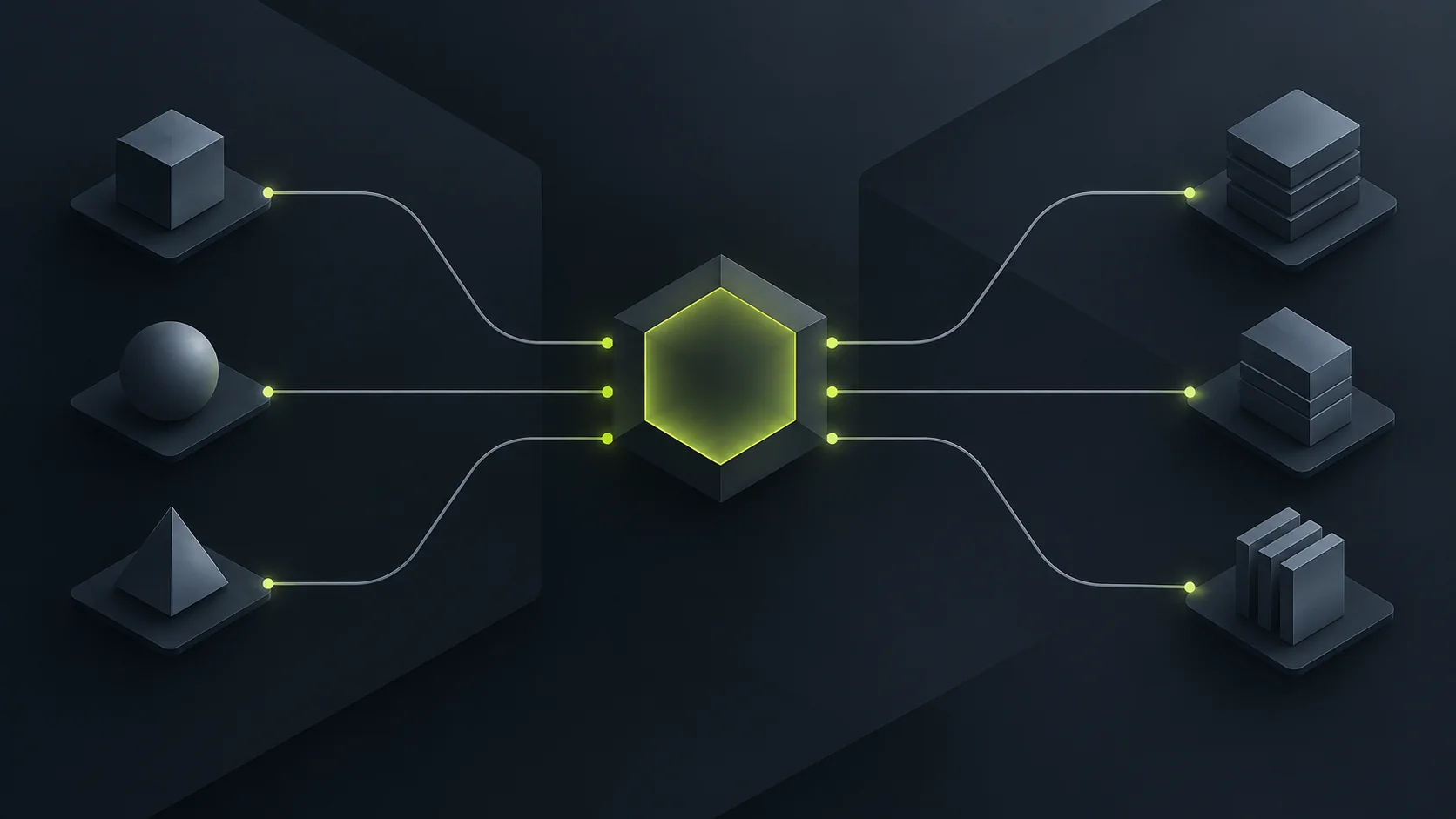
A funded round becomes your campaign's AI budget, and you receive a PowerHub API key against it rather than a payment. The endpoint speaks the OpenAI, Anthropic and Google request formats, so an existing tool is pointed at it by changing a base URL and a key, and there is no SDK to install. The models you can call are on the models page, and your campaign's API access page carries the exact base URLs and a setup snippet for each client.
Then post updates. Backers who funded a milestone want to see the milestone move, and a campaign that goes quiet is one we may pause. An update takes ten minutes and is the cheapest thing you will do all month.
Questions
What if my round does not reach its goal?
Every pledge in a fixed round that misses its goal goes back to the backer's PowerHub wallet in full. You can relaunch with a smaller, more honest number, and the people who backed the first attempt are told about it.
Can I use the budget for anything other than AI costs?
No. It funds AI model usage for the campaign that raised it, and there is no path that turns it into cash. If your project's real constraint is rent, salaries or a store fee, PowerHub is the wrong tool and we would rather say so now.
Do I have to disclose that I use AI?
On your PowerHub campaign, yes, and specifically: which tasks, and what they cost. Whatever the store you eventually publish on requires is separate and is between you and that store.
A pledge is a contribution to a creator's AI budget. It is not an investment, a purchase, a loan or a donation, and it buys no product. PowerHub is an intermediary and does not operate the AI models.